
What should you do in the week before SMP?
I recommend keeping your scalp moisturised in the days before treatment, while stopping topical hair products during the week leading up to your appointment. This includes medicated and non-medicated products unless your healthcare provider has told you that you must continue using one. Do not stop a prescribed treatment without medical advice. If you are unsure, raise it with me well before your appointment.
Avoid exfoliating products on the scalp before treatment. The aim is to arrive with calm, clean skin rather than skin that has been irritated, overly dry or exposed to unnecessary products.
Alcohol should be avoided the day before and after the session, because it can thin the blood. I also ask clients to discuss blood-thinning medicines and supplements in advance. Never stop prescribed medication on your own. Your preparation needs to be agreed safely with the appropriate healthcare professional.
Arrive rested, hydrated and with clean skin. You do not need to do anything complicated. Good preparation is mainly about giving me a clear, healthy scalp to work on and making sure we have discussed anything that could affect the appointment.
Should you wash your scalp before the appointment?
Yes. Wash your hair and scalp before you come in, following the product guidance we discuss. Your scalp should be free from oils, styling products, fibres and other residue. Do not apply hair products after washing unless I have specifically advised you to do so.
Your haircut or shaving routine depends on the look we are creating. SMP can be used between existing hairs for the appearance of greater density, while a closely cropped or shaved style may suit more advanced hair loss. If you still have hair in the treatment area, fine stubble can help the pigment blend with your natural follicles. I will talk through the appropriate length rather than asking you to guess.
For safety and accuracy, tell me if you have active scalp acne, eczema, psoriasis or another irritated area. Treatment should not be carried out over an active flare-up. People who form keloid scars may not be suitable for SMP, so a history of keloids or spontaneous scarring needs to be discussed before booking.
If you are investigating female pattern hair loss or another new pattern of thinning, it is sensible to speak with a healthcare provider about the cause first. Blood tests may be recommended to rule out other diseases, metabolic conditions or hormone imbalances that can produce similar-looking hair loss. SMP conceals contrast on the scalp. It does not diagnose or treat the reason hair is thinning.
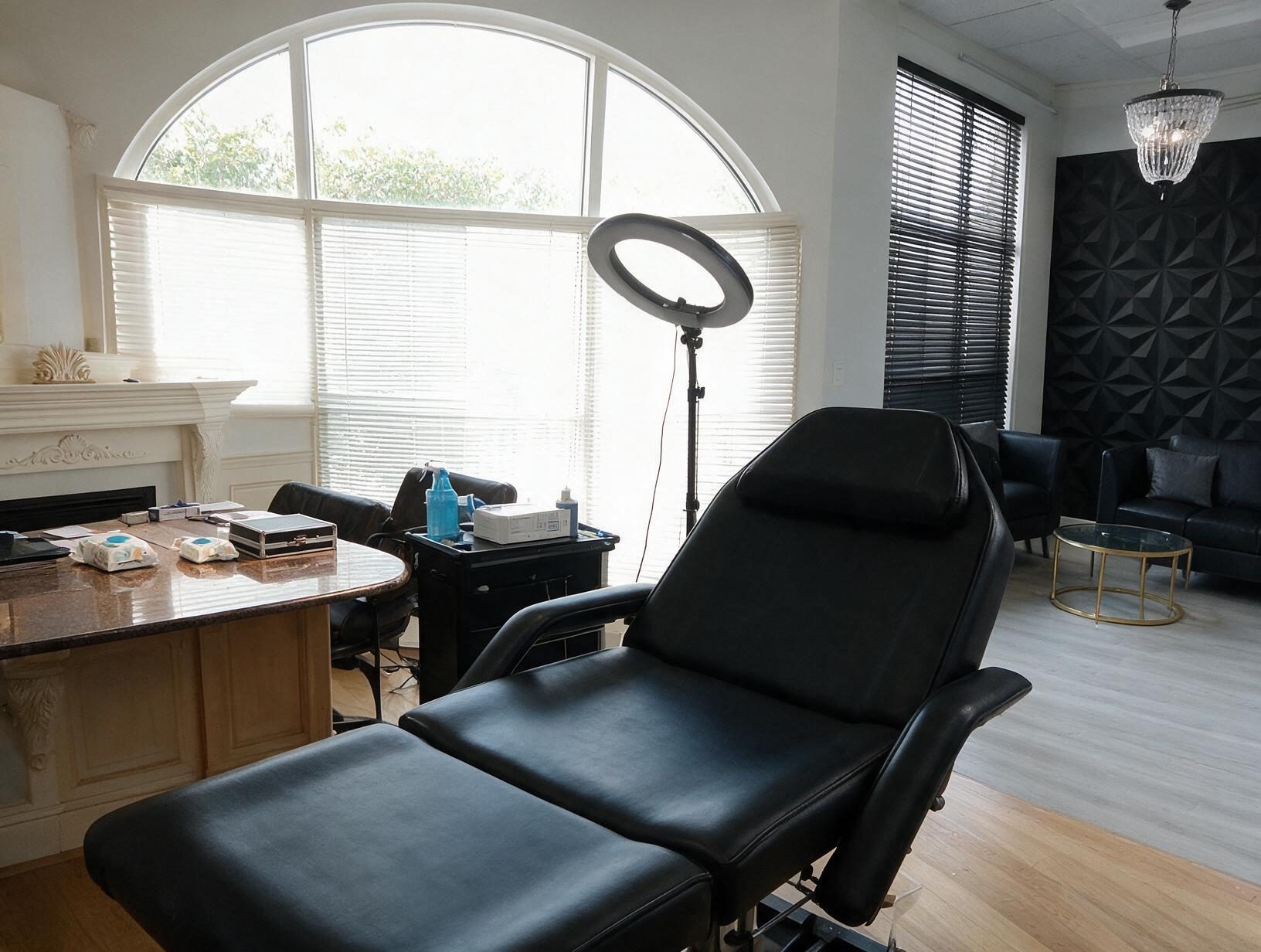
What should you discuss during your consultation?
Preparation is not only what you do at home. The consultation is where we decide whether the treatment is appropriate and what result you are actually seeking. I ask about your hair loss, scalp, lifestyle, expectations, allergies and relevant medical history. Please be open about allergies, skin conditions, medication and supplements.
We will look carefully at the hairline because it has a major influence on whether SMP appears natural. For someone who is fully bald, I mark and discuss a hairline based on facial structure and age. A softer hairline is generally chosen by people who want a discreet, undetectable appearance. Others prefer a fuller, straighter edge-up style with a sharper barbered finish.
I also match the pigment to the appearance of your current hair follicles. The goal is not to paint the scalp a solid color. Some scalp showing through the hair is normal, and the finished appearance should resemble follicle shadow or density rather than a painted surface. I explain these expectations before treatment so we are working towards the same result.
You can read more about the planning stage in my guide to what happens at your first SMP consultation. It is also a good time to review healed examples of an artist’s work and ask about SMP-specific training, licensing, infection-control procedures and the pigments used.
What happens when the session begins?
Before I start applying pigment, I prepare the scalp and mark the areas we have agreed to treat. We review the hairline and placement again, rather than relying on a quick decision once you are already in the chair. I use numbing medicine to reduce discomfort. Numbing does not remove every sensation, so tell me if an area feels particularly sensitive.
The treatment uses tiny points of pigment to create the visual impression of follicles or fuller coverage. It does not grow hair, alter natural hair growth or damage existing follicles. Depending on the area and the plan, an appointment can take several hours, and a complete result is built progressively rather than rushed into one heavy application.
Choosing the practitioner matters as much as preparing your scalp. I have worked as a barber for 15 years and discovered SMP in 2014. I am a Diplomat of the American Academy of Micropigmentation and a certified SMP and permanent makeup technician through Beauty Everlasting. I also hold certification in pain control, bloodborne pathogen safety and infection control for body art professionals.
My scalp micropigmentation treatment page explains the service in more detail, including the different reasons people consider it.
How should you prepare for the days after treatment?
Before your appointment, plan for a quiet healing period. For the first four days, keep the treated scalp dry. Do not wash, wet, shave or deliberately sweat on it. A shower cap can help when bathing. Avoid heavy exercise, hot showers, steam rooms and other hot environments that cause sweating.
Avoid direct sun exposure during this early period. From around day five to day ten, follow the washing instructions I give you and keep protecting the scalp from the sun. Normal grooming and scalp sunscreen can generally resume from around day ten, according to the aftercare plan. Swimming pools should be avoided for 28 days, and full healing takes approximately 30 days.
Moisturising the area may be part of your aftercare instructions, and I will tell you what to use and when. Do not pick scabs or interfere with the area. Temporary darkening, lightening and flaking can occur as the scalp settles.
For general aftercare information, you can read my guide to what happens after an SMP session. Contact me if healing differs from what we discussed. If you develop fever, pus or drainage, severe pain, severe redness or significant swelling, contact your healthcare provider promptly.
If you are considering treatment at Infinity Scalp in Totowa, New Jersey, you can contact the studio with questions or arrange a consultation.
Book a consultation when you are ready, and we can assess your scalp and preparation needs together.
Frequently asked questions
Can I drink coffee before scalp micropigmentation?
Caffeine is worth discussing before your appointment, as I may ask you to limit it on the day. I recommend discussing your usual caffeine intake during consultation and following the preparation instructions I give you for the appointment day. Arriving rested and hydrated is more helpful than trying to compensate with extra coffee.
Can I use minoxidil before an SMP appointment?
Topical hair products, including minoxidil, should generally be stopped in the week before treatment, so discuss your routine with me in advance. Because products and medicines vary, do not stop a prescribed treatment without medical advice. We can plan the timing around your scalp condition and the instructions from your healthcare provider.
Should I shave my head before SMP?
Not always. The right approach depends on your existing hair, the area being treated and the look you want. Some clients benefit from fine stubble, while more advanced hair loss may suit a fully shaved style. I will advise you on the appropriate length rather than asking you to make that decision alone.
Can I have SMP if I have a scalp scar?
SMP can be considered for some scalp scars, but suitability depends on the scar’s condition, texture and maturity. The area should be fully settled, with no active irritation or infection. I assess the scar during consultation and explain what camouflage may realistically achieve before any treatment is planned.
Will SMP look darker immediately after the appointment?
It can appear stronger or darker immediately after treatment, and the scalp may show temporary redness or sensitivity. Color changes as the area settles, so early appearance is not the final healed result. Follow the aftercare instructions carefully and do not try to correct the color yourself while it is healing.
How do I check that an SMP artist is properly prepared?
Ask for SMP-specific training, a body art practitioner licence, bloodborne pathogens certification and evidence of suitable health permits. You should also see healed work, ask about infection-control procedures and confirm that sterile, packaged needles and barrier protection are used. A detailed consultation should take place before you commit.