
What is the difference between shaved SMP and density SMP?
When people ask me about scalp micropigmentation, they are often choosing between two different visual effects rather than two completely separate treatments.
A shaved result creates the appearance of closely cropped hair follicles across areas where hair has become thin or disappeared. The scalp is designed to look as though it has been shaved or clipped very short. This is usually the clearest option for advanced hair loss, receding hairlines or a fully bald scalp.
A density result works between existing hairs. I place carefully planned pigment into areas where the scalp shows through, reducing the contrast between the scalp and the hair that remains. The aim is not to make the scalp look painted. Some scalp visibility is still normal, and the result should sit naturally within your existing hair.
Both approaches use tiny pigment impressions rather than hair growth. SMP does not stimulate regrowth, alter your follicles or treat the cause of hair loss. It creates a visual impression of follicles or shadow, depending on the finish we agree together.
When does a shaved look make more sense?
A shaved look can suit you if your hair loss is more advanced or if you already prefer a very short style. It gives me a consistent visual canvas for building a natural-looking hairline and blending the appearance of follicles across the scalp.
Your grooming routine matters. If you choose this finish, you need to be comfortable maintaining short hair. Clients with more advanced hair loss may prefer a razor, rotary shaver or foil shaver. If you still have hair around the treated area, keeping it at a fine stubble length with clippers or a trimmer can help the natural hair and SMP blend together.
The hairline is especially important in a shaved result. I assess your facial structure, age and existing pattern before we agree on its position. A softer, irregular hairline is generally the most discreet choice. Some clients prefer a fuller, straighter edge-up style for a sharper appearance. That decision should reflect your features and grooming preferences, not a template.
You can read more about the treatment itself on my scalp micropigmentation treatment page.
When is a density look the better choice?
Density SMP is designed for people who want to keep their existing hair. It may be worth considering when thinning is diffuse, the crown or parting is becoming more visible, or the contrast between dark hair and scalp is drawing attention.
This finish does not replace your hair. Instead, pigment is layered between the hairs to create underlying shading. The result depends on how much hair remains, how short you wear it and how your natural color interacts with the selected pigment.
A density result often requires more attention to blending because I am working around living hairs, changing directions and different levels of coverage. Your hair length also affects what is possible. If you later cut your hair much shorter, the appearance may move closer to a shaved-style result. If you grow it longer, the treatment remains underneath the hair rather than acting like a surface color.
For a closer look at this option, see my guide to Hair Density SMP.
How should I compare shaved SMP with density SMP?
I suggest asking yourself these practical questions before deciding:
- Do I genuinely want to keep my hair, or would I feel more comfortable maintaining a close shave?
- How often am I willing to trim or shave?
- Is my hair loss stable enough for the chosen finish?
- Would a softer hairline suit me better than a sharper edge-up?
- Do I want to reduce scalp show-through, or create the appearance of a consistently shaved head?
- Am I prepared for the result to soften and need maintenance over time?
Your current hair color is also relevant. I select pigment to harmonise with the color of your hair follicles, rather than choosing a generic black. Skin tone, oiliness, sun exposure and your normal grooming habits can all affect how the result settles and fades.
At Infinity Scalp in Totowa, New Jersey, I use consultation time to discuss these points rather than deciding from a photograph alone. I have worked as a barber for 15 years, and I pay close attention to hairline shape, blending and grooming habits when I plan SMP.
What happens before and after the treatment?
Before your appointment, wash your hair and scalp as directed and follow any preparation instructions I give you. It is sensible to disclose allergies, skin conditions, medication and any history of keloid scarring. Active eczema, psoriasis or scalp irritation should be discussed before proceeding, and people prone to keloids may not be suitable.
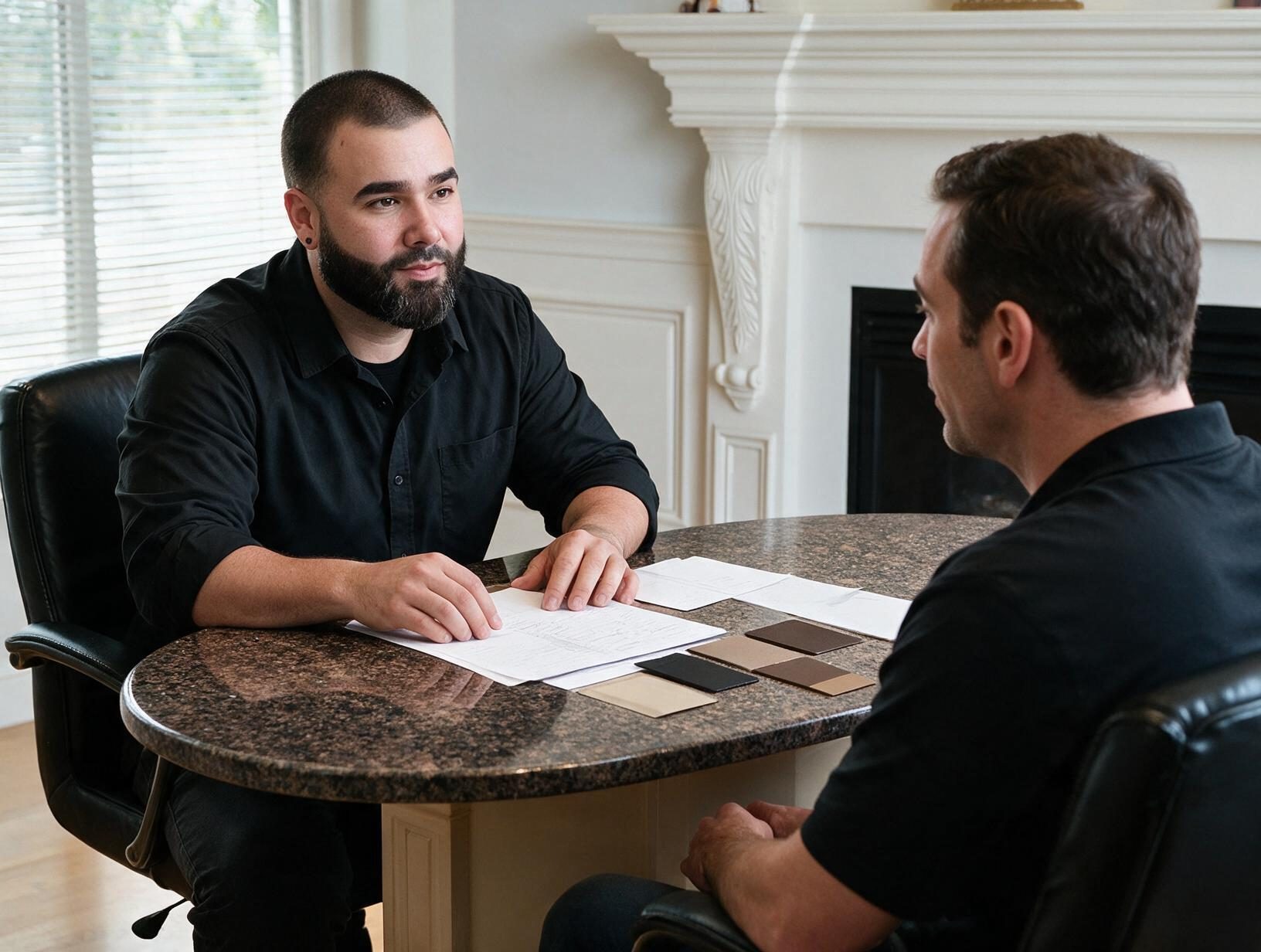
During consultation, I assess the treatment area, discuss your preferred finish, mark the areas and agree the hairline. I also match the pigment and explain what a healed result can realistically look like. Numbing medicine is used to make the procedure more manageable.
Most plans are built gradually across multiple appointments. Starting lighter and adding detail allows the color and dot spacing to be assessed as the scalp heals. The exact number and length of sessions varies with the area, skin and result you want.
For general aftercare, keep the scalp dry for the first four days, avoid washing, sweating, heavy exercise, hot showers and steam rooms during the early healing period, and follow my specific instructions. Avoid swimming and saunas for the advised period. Sun protection becomes important once the scalp has settled, and long-term SPF can help protect the pigment.
Color can look stronger at first and then lighten during healing. Do not pick at flaking or scabs. If you notice fever, pus, drainage, severe pain, marked redness or unusual swelling, contact a healthcare provider. For other concerns about healing, contact me so I can advise on the next step.
How do I choose an SMP practitioner for either look?
Look at healed examples, not only fresh work. Pay particular attention to hairlines, transitions at the temples and how the dots sit at different distances. A convincing result should not depend on heavy saturation or a perfectly straight painted edge.
Ask about SMP-specific training, body art licensing, bloodborne pathogen certification, county health requirements and infection-control procedures. Needles should be packaged and opened appropriately, with gloves, barriers and a clean studio used throughout the appointment.
I am a Diplomat of the American Academy of Micropigmentation and a certified SMP and permanent makeup technician through Beauty Everlasting. I am also certified in pain control and bloodborne pathogen and infection control for body art professionals. My advice is to have a thorough consultation, review relevant healed work and choose the finish that fits your everyday life.
If you are still comparing options, my guide on choosing the right SMP artist for a shaved look may help you prepare your questions.
You are welcome to contact Infinity Scalp to arrange a consultation and discuss which finish fits you.
Frequently asked questions
Can I change from a density look to a shaved look later?
The visual style may be adjustable as your hair length and hair loss change, but the existing pigment remains part of the planning. A consultation is important before changing your grooming pattern, because the density work may need to be blended with additional treatment rather than simply covered.
Will a shaved result look completely bald or completely covered?
It should not. A well-planned result creates the appearance of closely cropped follicles, not a solid painted scalp. Some natural scalp variation remains visible. The final impression depends on pigment placement, spacing, your skin and how closely you maintain the surrounding hair.
Can I wear longer hair after choosing shaved SMP?
You can grow your hair, but the visual effect may no longer match the original plan. Longer hair can reveal differences between natural density and the shaved follicle effect. Discuss your preferred future hair length before treatment so the design can be planned with that possibility in mind.
Does density SMP work if my hair is very light?
It may, but the approach needs careful color matching and realistic expectations. The contrast between hair and scalp is different with lighter hair, so the treatment cannot be planned in the same way as very dark hair. I assess your current hair color and scalp visibility during consultation.
How long does either SMP finish last?
SMP is intended to be long lasting, but it gradually softens and fades rather than staying unchanged. Sun exposure, skin type, lifestyle and skin ageing affect longevity. Many clients consider a maintenance appointment after several years, although timing varies from person to person.
Can SMP cover an uneven hairline from previous shaving or styling?
SMP can create the appearance of a more defined hairline, but the design must still suit your facial structure and natural pattern. I assess the area in person before deciding what is realistic. A consultation also helps distinguish a suitable cosmetic adjustment from a design that would look forced.
What if I have scalp eczema or psoriasis?
Do not book while the scalp is actively irritated or flaring. Tattooing can aggravate an existing skin condition, so discuss your history during consultation and seek medical guidance where appropriate. The scalp should be assessed when the skin is calm before any treatment plan is confirmed.