
Why does SMP usually take more than one session?
Scalp micropigmentation is built in layers. I do not try to create the final density in one appointment because pigment needs to be placed carefully, allowed to settle, and then assessed once the scalp has healed.
At the first appointment, I usually begin conservatively. The pigment shade is matched to your current hair follicle color, and the spacing and density are planned around your existing pattern. Starting lighter gives me room to see how your skin holds the pigment before adding more detail.
Follow-up sessions allow me to darken selected areas, improve the transition at the hairline, and balance the overall appearance. This gradual approach is particularly important where the hairline is visible. A poorly designed or overly strong hairline can make otherwise good SMP look artificial, so I pay close attention to facial structure, age and the way your natural hair grows.
The aim is not to paint the scalp solidly. A little visible scalp showing through the hair is normal. SMP reduces the contrast between your scalp and hair, creating the visual impression of fuller coverage or closely cropped follicles.
How many sessions are needed for male density SMP?
For male density SMP, two to three sessions are common. Men with thinning hair who want to keep their hair may need a different plan from someone with more advanced hair loss who prefers a shaved appearance. The treated areas, amount of scalp show-through, hair color and desired hairline all affect the number of appointments.
If you still have hair in the treatment area, I work between the existing hairs to reduce visible contrast. Many clients maintain a fine stubble length with clippers or a trimmer every few days so the natural hair and pigment blend together. With more advanced hair loss, a fully shaved look may be the better match.
Scar camouflage can also require a different number of appointments. Scar tissue may hold pigment differently from normal scalp, and the color and density need to be built cautiously. I assess the scar, its texture and the surrounding hair pattern before recommending a course.
You can read more about the treatment itself on my scalp micropigmentation treatment page. I will give you a personalised plan rather than treating a standard session count as a promise.
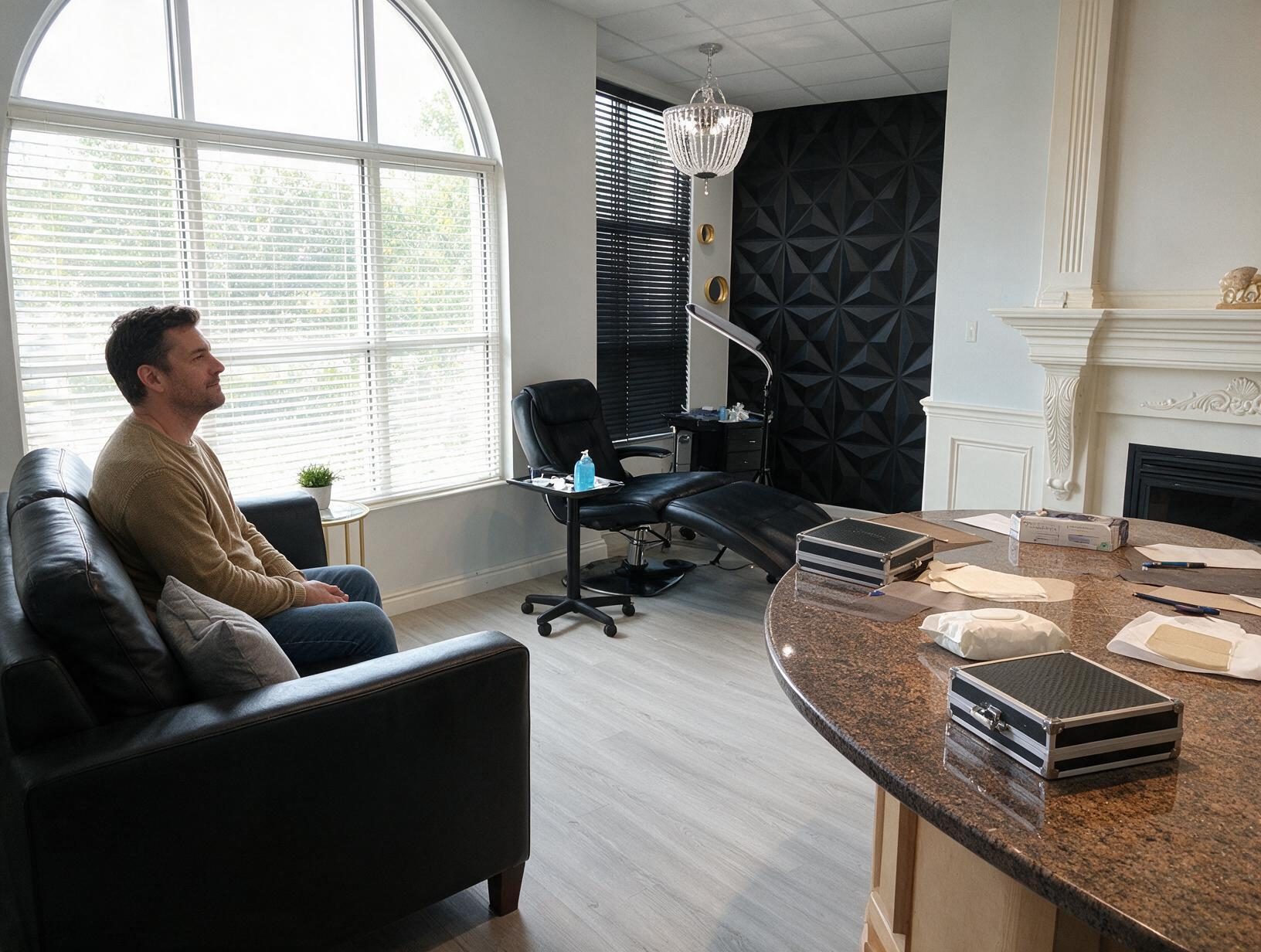
What happens during each SMP appointment?
Before treatment, I review your goals, hair loss pattern, medical history, skin and expectations. We discuss the hairline and the level of density that will look believable for you. I also match the pigment and mark the areas before beginning. Numbing is used to help keep the appointment manageable.
The first session is about establishing the foundation. I use a lighter shade and wider spacing where appropriate, then assess how the pigment sits in your skin. The next appointment builds on that foundation with additional density and refinement. The final session, when needed, is for balancing, softening transitions and making small adjustments.
Session length varies with the size of the area and the amount of detail involved. Session length varies and is discussed at consultation. I would rather allow enough time for controlled work than rush a large area.
Healing time between appointments matters. Sessions are spaced to give the scalp time to heal, and the interval depends on the treatment plan and how your scalp has settled. Color can look stronger immediately after an appointment and then soften as the scalp heals. That change is expected, and I do not judge the final result before the skin has had time to recover.
What can change the number of SMP sessions needed?
The consultation is where I work out whether you are likely to need two sessions, three sessions or a more tailored plan. Factors include:
- the size of the area being treated
- the degree and pattern of hair loss
- whether you are keeping existing hair or choosing a shaved look
- skin type, oiliness and how your skin retains pigment
- scarring or other changes in the scalp surface
- your preferred hairline and level of visual density
- how the scalp heals after each appointment
Scarring alopecia and scarred areas can be less predictable than uncomplicated pattern hair loss. Some clients may also need a later touch-up as pigment gradually fades from sun exposure, skin ageing and normal cellular turnover. SMP is a cosmetic camouflage treatment, not a treatment that regrows hair or changes the cause of hair loss.
If you have active scalp acne, eczema or psoriasis, the area should settle before treatment. Anyone prone to keloid scarring should discuss SMP with an appropriate healthcare professional before proceeding. I also need to know about allergies and relevant health information during consultation.
How should I prepare for the sessions?
Arrive with clean hair and scalp. In the week before your appointment, avoid topical hair products unless I have told you otherwise. Avoid alcohol for 24 hours beforehand, and avoid caffeine on the day. If you take blood-thinning medication, speak with the prescribing healthcare professional before making any changes. Do not stop prescribed medication without that advice.
After each appointment, keep the treated scalp dry and avoid washing, shaving, sweating, heavy exercise, hot showers, steam rooms and other hot environments for the period I specify. Avoid direct sun exposure while the scalp settles. Do not pick at flaking or scabbing, and follow the aftercare instructions provided for your treatment.
For a fuller explanation of the recovery stages, see my guide to what happens after an SMP session. Contact your healthcare provider if you develop fever, pus or drainage, severe pain, severe redness or significant swelling. You should also contact me if healing differs substantially from what we discussed.
How do I know whether my planned result will look natural?
Look closely at a practitioner’s healed hairline work, not only freshly completed photographs. Natural SMP depends on controlled dot size, spacing, pigment choice and a hairline that suits your face. I recommend asking to see relevant examples and discussing what is realistic before booking.
During your consultation, I will explain where some scalp may remain visible and how your chosen hairstyle affects the result. I will not promise a painted, completely solid appearance because that is not how believable follicle density looks.
I am a barber of 15 years, a Diplomat of the American Academy of Micropigmentation, and a fully certified SMP and permanent makeup technician by Beauty Everlasting. I am also certified in pain control and bloodborne pathogen and infection control for body art professionals.
If you would like to discuss your hair loss pattern and likely treatment plan, you can see what happens at an SMP consultation or contact my Totowa studio to arrange one. Book a consultation when you are ready, and we can discuss the right number of sessions for your scalp.
Frequently asked questions
Can SMP be completed in one session?
Small, localised areas may sometimes need less work than a full scalp, but one session is not the usual expectation for a complete result. Building density gradually gives the pigment time to settle and lets me refine the color, spacing and hairline after seeing how your skin heals.
How far apart should SMP sessions be?
Sessions need enough time for redness, flaking and color changes to settle before the next layer is added. The spacing is set at consultation and depends on how your scalp heals, and it may be longer for some scalps, larger areas or scar tissue.
Will more sessions make my SMP darker?
Additional sessions can increase visual density, but the aim is controlled layering rather than simply making the scalp darker. I assess the healed color and spacing before adding pigment. Adding too much too quickly can create an overly saturated appearance and reduce the natural transition at the hairline.
Does male density SMP require shaving my hair?
Not always. Male density SMP is designed for men with thinning hair who prefer not to shave, and pigment can be placed between existing hairs. The best grooming length depends on your hair pattern. Fine stubble often helps the pigment and natural hair blend without making the treatment obvious.
How long does SMP last after the sessions are finished?
SMP pigment gradually softens rather than washing away with shampoo. Longevity varies with skin, sun exposure, lifestyle and the area treated. Some people need a touch-up after several years, but I assess the color and definition in person before recommending maintenance.
Can I have SMP if I have a scalp scar?
Scar camouflage may be possible, but scar tissue can retain pigment differently from unaffected scalp. I assess whether the scar is fully settled, its texture, color and surrounding hair pattern. The plan may involve several cautious sessions, and expectations should be discussed carefully before treatment.
Is SMP permanent?
SMP is a long-term cosmetic tattoo. It fades over time, but some pigment can remain in the skin. Removal is possible with laser treatment, although removal can be more complicated when pigment was placed too deeply or has spread, which is why practitioner selection matters.