
Why do people regret scalp micropigmentation?
When someone tells me they regret scalp micropigmentation, the concern is usually not that the treatment exists. It is that the finished result does not match what they expected, or does not suit the way they want to wear their hair.
The most common causes are an overly straight or low hairline, dots that are too large or too dark, pigment that has spread, and a result that looks like a solid block rather than natural follicle shadow. These problems can become especially noticeable when the remaining hair is not kept at the length discussed during consultation.
Another source of disappointment is expecting SMP to grow hair or create the look of a fully dense scalp. It is a cosmetic camouflage treatment. It reduces the contrast between scalp and hair, but it does not change hair growth or recreate real hair. Some scalp showing through is a normal part of a believable result.
SMP is also a long-term decision. Pigment softens and fades over time, but it does not simply wash away with shampoo. Poorly placed pigment may need correction or laser removal, so choosing carefully at the beginning matters.
How does the hairline affect the result?
I ask clients to pay particular attention to a practitioner’s hairline work. This is the area people notice first, and an unsuitable hairline can make otherwise careful treatment look artificial.
A natural hairline is not a ruler-straight line. It has irregularity, transition and a design that fits your facial structure, age and existing pattern. For a fully shaved look, I may discuss a softer hairline for the most understated finish, or a sharper edge-up style for someone who prefers a freshly barbered appearance. The right choice is personal, not a template.
I prefer to agree the shape before any pigment is implanted. During a proper consultation, we can discuss where the design begins, how it relates to your temples and whether it will still look appropriate if your natural hair changes later. You can read more about what happens during an SMP consultation before you come in.
What should I check before choosing an SMP practitioner?
Look at healed examples, not only freshly completed photographs. Fresh pigment can appear stronger than the settled result, while healed work shows whether the dots remain separate, whether the color suits the client and whether the hairline transitions naturally.
Ask who will perform the work and what dedicated SMP training they have completed. In the United States, tattooing is regulated at state and local level, so you should also verify the relevant body art licence, health permissions and bloodborne pathogens training. A clean studio, fresh packaged needles opened in front of you, gloves, barrier protection and clear hygiene procedures are important.
I am a barber of 15 years and began focusing on SMP in 2014. I am a Diplomat of the American Academy of Micropigmentation and a certified SMP and permanent makeup technician through Beauty Everlasting. I also hold certification in pain control, bloodborne pathogens and infection control for body art professionals. Those credentials do not replace a consultation, but they tell you what to verify when comparing practitioners.
Ask how pigment is matched to your current hair color, how the artist controls depth and what happens if you are unhappy later. If you have allergies, disclose them. Anyone prone to keloid scarring, or with an active scalp condition such as eczema, psoriasis or acne, should seek appropriate professional guidance before proceeding.
How can consultation prevent scalp micropigmentation regret?
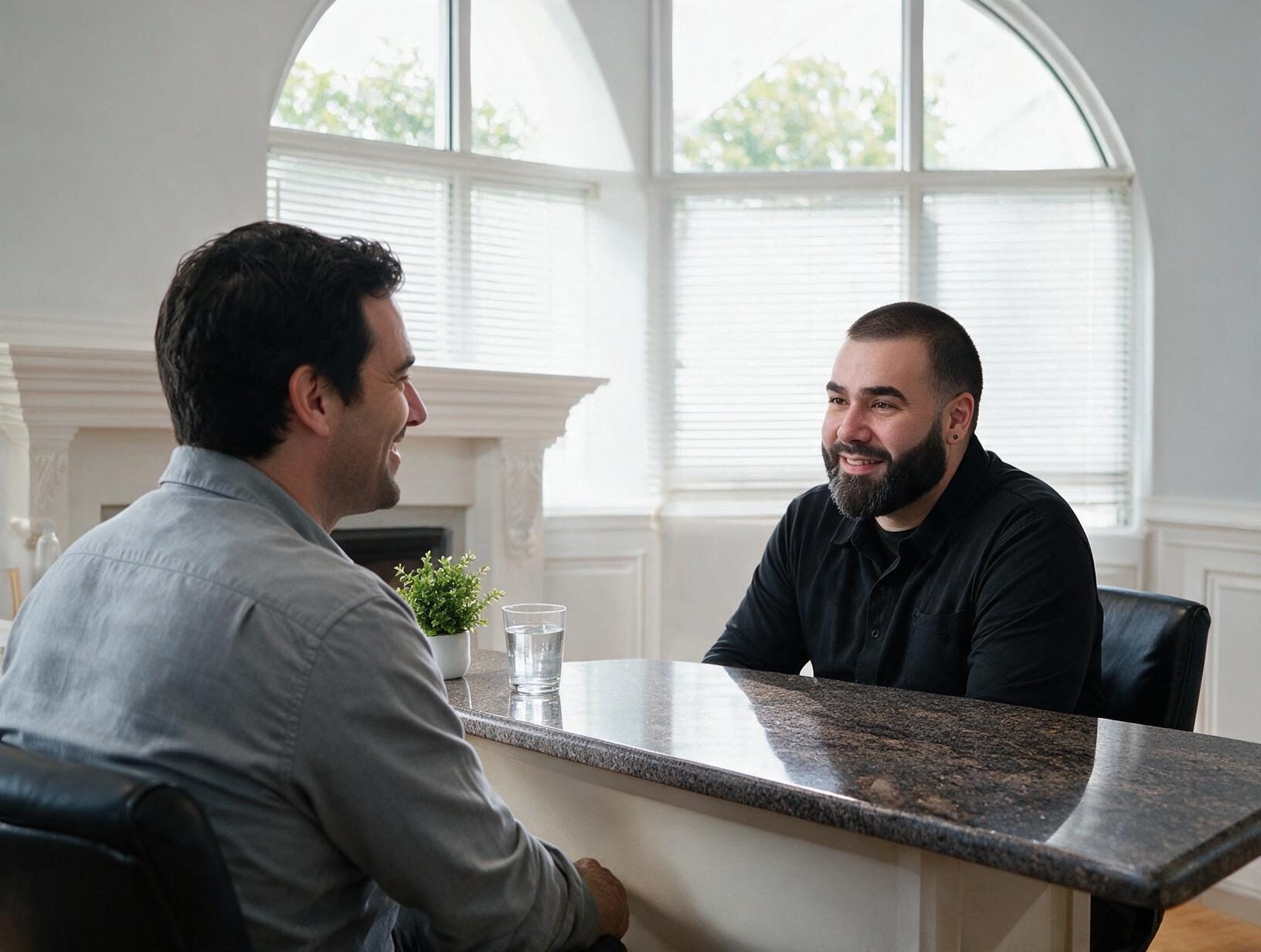
A useful consultation should be a design conversation, not a quick sales appointment. I need to understand your hair loss pattern, preferred grooming length, lifestyle and expectations. We discuss whether you want a closely shaved appearance or a subtle reduction in scalp show-through between existing hairs.
I also explain what SMP cannot do. It will not restore follicles, stop progressive hair loss or create the density of a naturally full head of hair. If your hair loss pattern has not been assessed, particularly when it is changing quickly or is unexplained, speak with a healthcare professional before treating the appearance alone.
We then agree the hairline and pigment direction before treatment. I build the impression gradually rather than trying to create maximum darkness in one pass. This gives the skin time to settle and lets us assess how the pigment is healing before adding detail.
You can read about the scalp micropigmentation treatment, including the general process, before deciding whether it fits your goals. Numbing is used to improve comfort, although sensitivity varies from person to person.
What aftercare helps protect the result?
Aftercare cannot correct poor application, but it helps protect the work while the skin settles. Follow the individual instructions I provide. General guidance includes keeping the treated scalp dry, avoiding shampoo, sweating, heavy exercise, hot showers and steam rooms for the advised early period, and avoiding direct sun exposure.
- Do not pick or interfere with flaking or scabbing.
- Keep the scalp away from swimming pools, saunas and steam rooms during the longer healing period advised after the final session.
- Once permitted, moisturize as instructed and use broad-spectrum SPF on the scalp long term.
- Expect the color to soften during healing rather than judging the final result immediately.
Contact me if healing looks different from what we discussed. If you develop fever, pus or drainage, severe pain, severe redness or significant swelling, contact your healthcare provider promptly.
What is the safest way to decide?
Do not choose based only on a dramatic photograph. Compare healed work, ask direct questions, allow time for a real consultation and make sure the proposed hairline suits your face and future grooming habits.
At Infinity Scalp in Totowa, New Jersey, I take that planning stage seriously because prevention is easier than correction. My aim is a result that looks like a natural follicle shadow at conversational distance, not a painted scalp.
If you would like to discuss your hairline and expectations, you can contact me about a consultation.
Frequently asked questions
Can scalp micropigmentation be removed if I regret it?
Laser removal can remove scalp micropigmentation, but removal is not always simple. The number of treatments and final outcome vary with pigment, placement, skin and the original work. I recommend treating removal as a backup option, not a reason to rush into a design you are unsure about.
Will scalp micropigmentation look fake in bright sunlight?
Scalp micropigmentation may look unnatural in any lighting if the hairline is too hard, the dots are oversized or the pigment is over-saturated. Natural planning and gradual layering help reduce that risk. Reviewing healed photographs in different lighting gives you a more useful impression than looking at fresh work alone.
Can I change the hairline after SMP?
Small changes may be possible, but pigment already placed in the skin limits how freely the design can move. Raising or reshaping a hairline may require laser removal before new work. I therefore mark and discuss the proposed shape carefully before treatment rather than relying on later correction.
Does SMP regret mean the treatment was performed incorrectly?
Not necessarily. Some regret comes from a mismatch between the client's expectations and the realistic healed outcome, even when the application is technically sound. Other cases involve poor design, color choice, depth or hygiene. A detailed consultation should address both technical quality and whether the treatment suits your goals.
How soon can I judge my finished SMP result?
Do not judge the final appearance immediately after a session. The scalp can look darker at first, then soften as the skin settles. Treatment is usually built across separate sessions, allowing healing between appointments. Your practitioner should tell you when the color and texture are ready to assess properly.
Can remaining hair make SMP look less natural?
Existing hair can blend well when the design and grooming length are planned around it. Uneven, longer or rapidly changing hair may increase the contrast between natural strands and cosmetic dots. I discuss whether fine stubble or a fully shaved style will make the overall appearance more consistent.