
What does microblading do to the eyebrows?
When people ask me what microblading on eyebrows is, they are usually asking whether it will make sparse or uneven brows look fuller. The aim is to create the visual impression of individual hairs by placing small amounts of pigment in carefully planned strokes.
Unlike powder or ombre brows, which create a shaded makeup effect, microblading is designed around hair-like marks. It is a manual technique, so I use a handheld blade rather than a digital machine. The blade creates fine strokes in the upper skin layers, and pigment is deposited as I work.
Microblading is a form of permanent makeup. The color softens and fades over time, but this does not mean it simply washes away. Some pigment can remain in the skin, which is why I take the consultation, shape, color, and technique seriously before beginning.
The goal is not to draw an identical brow template onto every face. I look at your existing brow hair, facial proportions, skin, lifestyle, and the result you want. Brows should support your features rather than overpower them.
How is microblading performed?
At an appointment, I begin by discussing your expectations and examining the skin around your brows. We talk through the shape, color, density, and whether manual strokes are suitable for you. A professional consultation should also cover relevant medical history, allergies, skin conditions, and any previous permanent makeup.
I then map and draw the proposed design for your approval. I do not believe a measuring device can replace judgment, because faces are not perfectly symmetrical. A freehand design can account for natural differences and usually gives a more flattering result.
Once we agree on the design, I select a pigment that works with your brow hair and overall coloring. Numbing is used to improve comfort. I then create the strokes manually, working gradually rather than trying to force a dark result in one pass.
The skin may look stronger or darker immediately afterward. That early appearance is not the healed result. During healing, the brows can soften, flake, and temporarily seem lighter or uneven. I go through aftercare guidance with you so you know what is normal and when to contact me with a concern.
Who is microblading best suited to?
Microblading often suits people with normal or dry skin who want a soft, understated enhancement. It can be useful when brows are sparse, have gaps, or need more visible structure without a fully shaded makeup look.
Oily skin can be more difficult for this technique. Excess oil may cause strokes to blur or fade sooner, and thicker skin can affect how clearly individual marks remain. In that situation, a machine-based technique such as nano brows may be worth discussing. Nano brows use a digital device to create hairstrokes, so they are not the same as manual microblading.
Skin type is only one part of the decision. Existing pigment, scar tissue, medications, allergies, active skin conditions, and your preferred maintenance routine all matter. If you have eczema, psoriasis, or another active condition around the brows, I would want that assessed before proceeding.
Do not choose a method only because a fresh photograph looks delicate. Ask to see healed examples on people with a similar skin type, and make sure the practitioner explains the technique and pigments being used. My own permanent makeup services include microblading, hairstroke brows, nano brows, combo brows, and ombre brows, so I can explain the differences rather than treating every brow the same way.
You can also read my comparison of hairstroke brows and microblading before your consultation.
How long does microblading take to heal?
Healing is gradual. For the first few days, the brows can appear more intense than expected. Mild tenderness, flaking, or light scabbing may occur. Do not pick or scratch the area, because interfering with the skin can affect pigment retention and the final texture.
For general brow aftercare, keep the brows dry for at least the period I specify, avoid direct sun, facial creams, exfoliants, and heavy exercise while the surface is settling, and use only the recommended ointment. Clean hands matter whenever you need to touch the area.
The visible surface may look settled before the deeper color has fully developed. Permanent makeup can continue softening over several weeks, and an initial result should be judged only after healing. My microblading healing timeline explains the typical changes in more detail.
A perfecting appointment may be recommended after the first procedure, depending on how the skin has healed and how much pigment remains. I do not promise a fixed number of sessions, because retention varies. A touch-up is not a way to keep adding pigment indefinitely. Skin can only hold so much, and old or discolored work may sometimes need correction or removal before a new design.
How should you choose a microblading artist?
Permanent makeup stays on the skin long after the appointment, so the artist’s judgment matters as much as the tool. Look for clear examples of healed work, not only freshly completed brows. Ask which technique was used, what pigments are selected, how the artist approaches your skin type, and what happens if you do not like the shape later.
Also ask about licensing, infection control, bloodborne pathogen training, and sterile supplies. Disclose allergies and relevant health information honestly. These steps reduce the risk of infection, allergic reaction, unnatural color, and avoidable correction work.
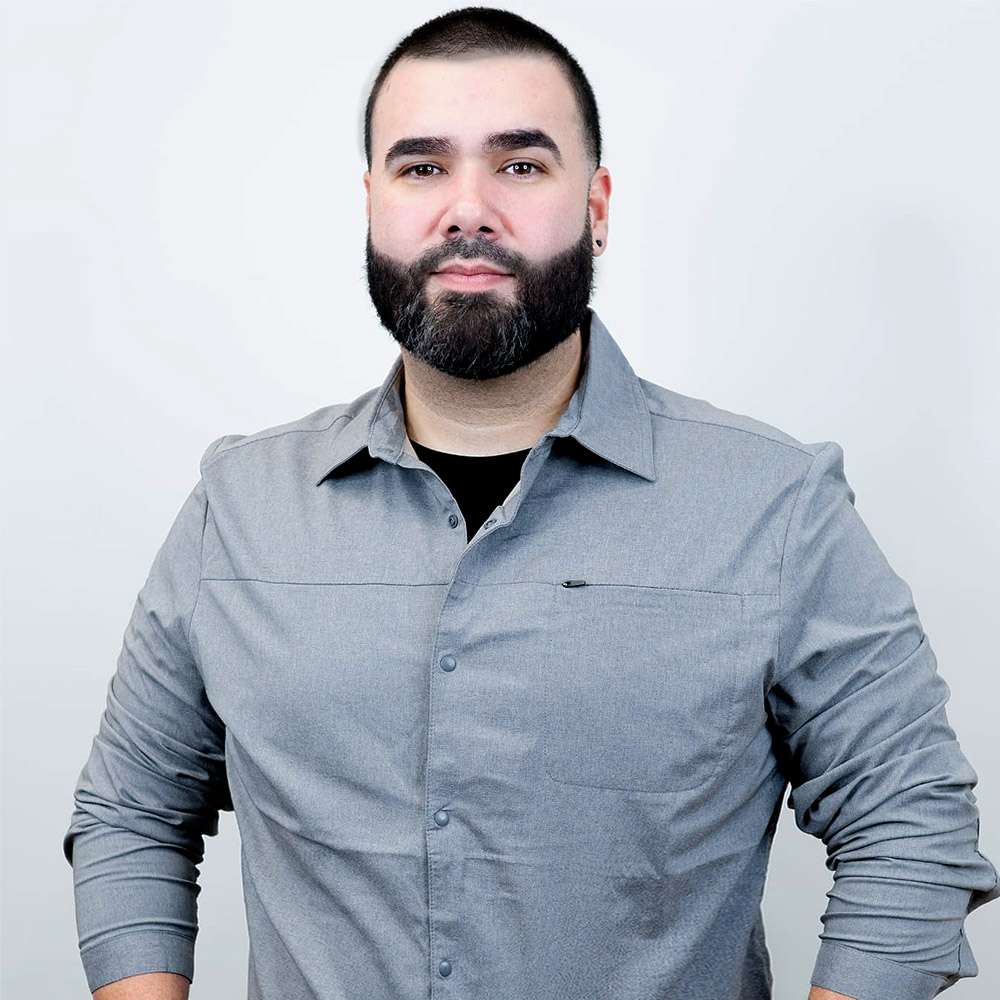
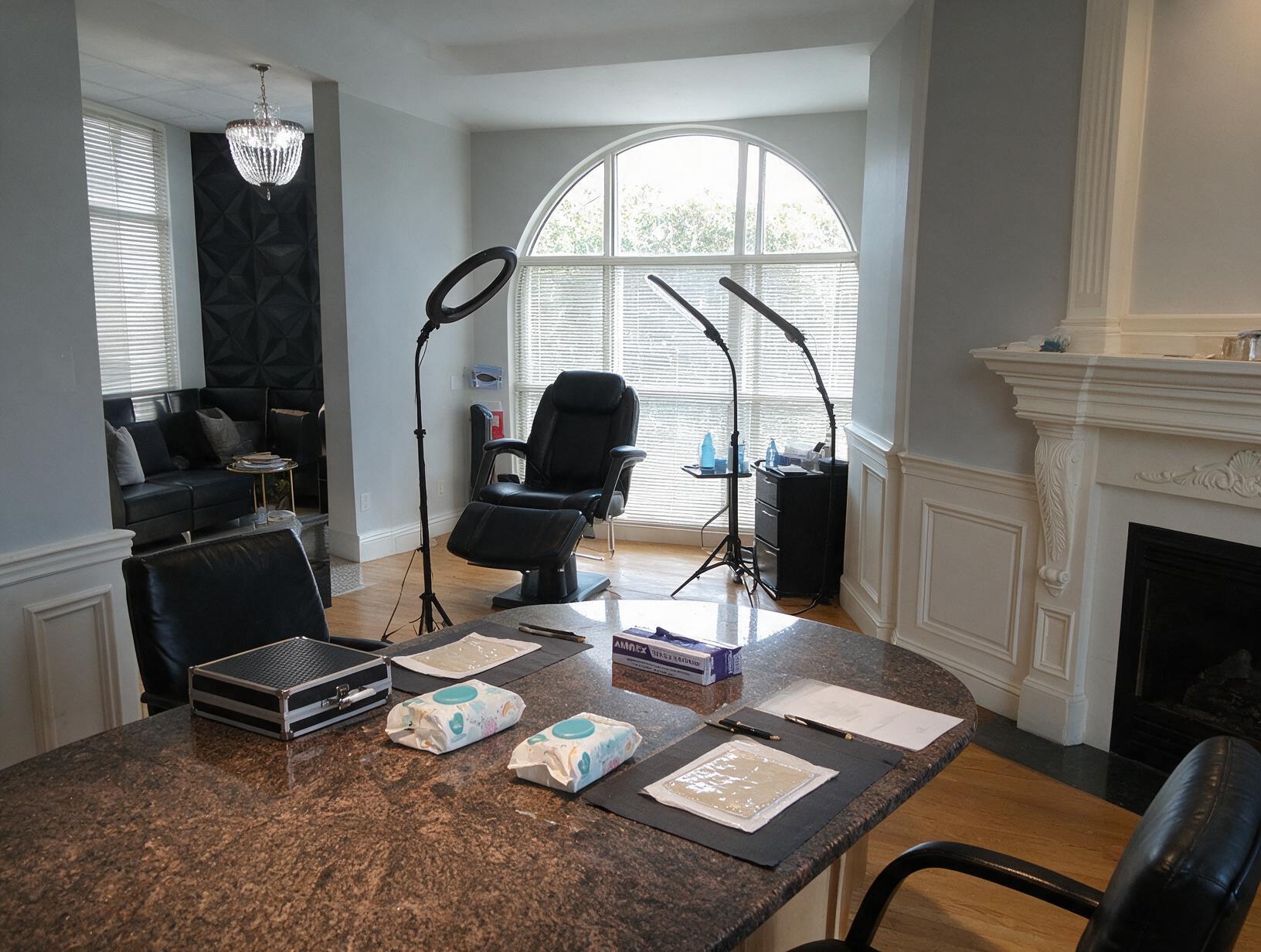
I am Anthony Valle, a barber of 15 years and a permanent makeup and SMP technician certified by Beauty Everlasting. I am also a Diplomat of the American Academy of Micropigmentation and certified in pain control, bloodborne pathogen safety, and infection control for body art professionals. My studio, Infinity Scalp, is in Totowa, New Jersey.
If you are also researching scalp micropigmentation, it is important not to confuse that treatment with eyebrow microblading. SMP uses tiny dots of pigment to create the appearance of density on the scalp, not hair-like brow strokes. You can learn more on my scalp micropigmentation treatment page.
If you would like to discuss your brows, you can contact me to arrange a consultation.