
What does minoxidil do for thinning hair?
Minoxidil is a medication used to support hair growth in some people with thinning hair. It can lengthen the growth phase of the hair cycle, which may help existing miniaturized hairs look fuller over time. It does not recreate a completely bald area, repair scarring, or permanently stop the underlying cause of hair loss.
Results vary according to the type and pattern of hair loss, your general health, and how consistently the treatment is used. Some people notice an early increase in shedding before improvement. That can be unsettling, so I recommend discussing minoxidil with a qualified healthcare professional rather than treating an unexplained change in hair density yourself.
Minoxidil for thinning hair is generally a maintenance approach. If you stop using it, any benefit may gradually reduce. It also may not be appropriate where hair loss is caused by another condition. Sudden loss, patchy loss, scalp inflammation, or substantial shedding deserves medical assessment before you choose a cosmetic option.
How is a hair transplant different?
A hair transplant is surgery. A surgeon removes follicles from a donor area and places them into areas affected by hair loss. If the grafts survive, they can continue producing natural hair. This makes a transplant fundamentally different from minoxidil, SMP, and a hair system, because it aims to add growing hair rather than create coverage only.
A transplant depends on having suitable donor hair and realistic expectations about density, hairline design, healing, and future loss. Surgery can involve visible scarring, and the donor supply is limited. A transplant may also take time before the final cosmetic result is apparent. People who later prefer a shaved style can still have visible donor or recipient-area changes, which is one reason some consider SMP for hair transplant scars.
Minoxidil and a transplant are not always alternatives. A doctor may discuss medication before or after surgery, depending on the diagnosis. The right order should be based on medical advice, not on how quickly you want a visible change.
What does SMP do for hair loss?
SMP, or scalp micropigmentation, is a non-surgical cosmetic tattoo treatment. I deposit tiny points of pigment into the scalp to reduce the contrast between your scalp and remaining hair. The result can suggest closely cropped follicles, a stronger hairline, or greater visual density between existing hairs. It does not grow hair, change natural hair growth, or damage existing follicles.
For men who are comfortable keeping their hair very short, a shaved-style SMP result can work with fine stubble or a fully shaved head. The hairline needs particular care. I assess facial structure, age, remaining hair, and the finish you want rather than drawing a rigid, identical line for everyone. A softer hairline usually appears less obvious, while a sharper edge-up can suit someone who wants a freshly barbered appearance.
SMP can also be used between existing hairs, including areas that look thin after a transplant. It is camouflage, not treatment for the disease causing hair loss. You can read more about the process on my scalp micropigmentation treatment page.
The number of sessions depends on the area, skin, hair pattern, and desired finish, and we agree a plan at consultation. Session length depends on the size of the area and is discussed at consultation. I normally build the result gradually rather than placing a heavy amount of pigment at once. The scalp can look darker immediately afterward, and color settles during healing.
How does a hair system compare?
A hair system is a cosmetic covering made with hair fibers or hair attached to a base that is secured over the scalp. It can provide the appearance of a hairstyle without waiting for growth and without surgery. Depending on the design, it can offer more length and styling flexibility than shaved-style SMP.
The trade-off is ongoing maintenance. Hair systems need cleaning, adjustment, replacement, and careful matching as your preferences or natural hair change. Heat, activity, adhesive choices, and daily grooming can all affect your experience. They also cover the scalp, whereas SMP leaves the scalp visible and creates the impression of follicles or shadow.
I have explained this choice in more detail in my comparison of hair systems and SMP. Neither option restores hair growth. The better fit depends on whether you want a shaved appearance, a styled head of hair, a low-maintenance visual solution, or the freedom to change your look.
Which hair loss treatment is right for you?
Start by identifying what you want the treatment to achieve. If preserving or improving natural growth is your priority, speak with a medical professional about diagnosis and treatments such as minoxidil. If you have suitable donor hair and accept surgery and a longer process, a transplant may be worth discussing with a qualified surgeon.
If you want a visual change without surgery and are comfortable with short hair, SMP may be appropriate. If you want length, volume, and different hairstyles, a hair system may feel more practical. Some people combine approaches, such as medical treatment with SMP or a transplant with later SMP for visible scarring or reduced scalp contrast.
Before SMP, I need to know about scalp conditions, medications, allergies, keloid scarring, diabetes, immune conditions, and recent procedures. Active eczema, psoriasis flare-ups, or scalp inflammation should be addressed first. People with a history of keloid scarring should speak with a dermatologist before considering scalp tattooing.
After treatment, keep the scalp dry, avoid heavy exercise, hot showers, steam rooms, and sun exposure for the initial period advised. After the final treatment, avoid swimming, saunas, and steam rooms for 28 days and keep the scalp out of direct sun for that time. Long term, SPF helps protect the result. SMP fades gradually and may need a touch-up, rather than lasting unchanged forever.
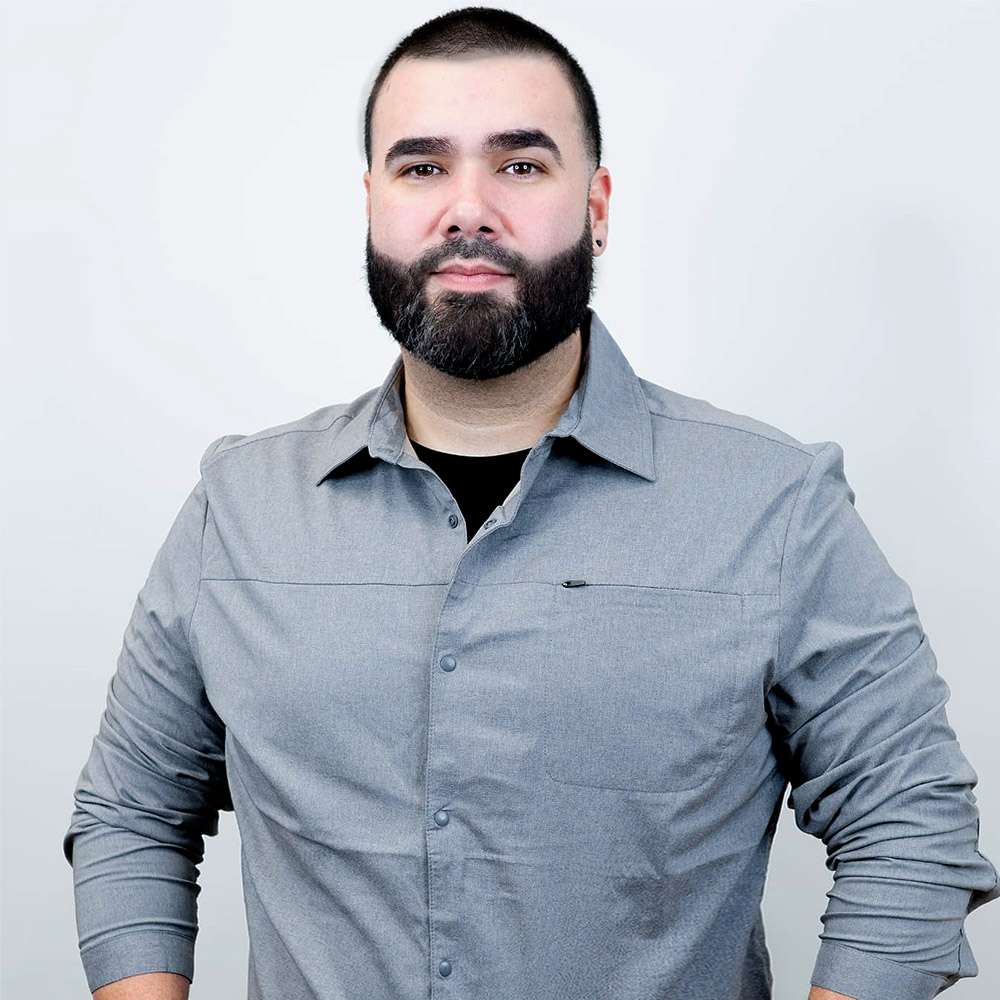
I am Anthony Valle, a Diplomat of the American Academy of Micropigmentation, and I work from Infinity Scalp in Totowa, New Jersey.
If you are weighing your options, you can contact Infinity Scalp to arrange a consultation.
| Option | What it is | What to know |
|---|---|---|
| Minoxidil | A medication used to support hair growth in some people with thinning hair | Generally a maintenance approach; if you stop using it, any benefit may gradually reduce |
| Hair transplant | Surgery that moves follicles from a donor area into areas affected by hair loss | Depends on suitable donor hair; surgery can involve visible scarring and the donor supply is limited |
| SMP | A non-surgical cosmetic tattoo treatment that deposits tiny points of pigment into the scalp | It does not grow hair; it is camouflage, not treatment for the disease causing hair loss |
| Hair system | A cosmetic covering made with hair fibers or hair attached to a base that is secured over the scalp | Needs cleaning, adjustment, replacement and careful matching; it covers the scalp |