
What makes a haircut work for thinning hair?
When I advise someone with thinning hair, I look at the whole pattern rather than trying to disguise one small area. Thinning may affect the temples, hairline, crown or the top more generally, and each pattern calls for a slightly different approach.
The main aim is balance. A haircut that leaves the sides long and bulky can make the top appear thinner by comparison. Keeping the sides controlled often reduces that contrast. On top, too much length may separate into strands and expose more scalp, while a shorter, textured finish can look more intentional.
Your hair texture matters too. Straight, fine hair often benefits from a blunt or lightly textured shape that does not remove too much weight. Wavy or curly hair can carry more movement, but it still needs a clear outline so the shape does not become uneven as it grows.
I also consider your routine. A style that only looks right after extensive blow-drying may not be the right haircut for thinning hair if you want something simple each morning.
Which short haircuts suit thinning hair?
A short crop is one of the most adaptable choices. The top can be left slightly longer than the sides, with texture added through the front. This gives fine hair some direction without creating a heavy, separated fringe. It can work particularly well when thinning is diffuse across the top.
A crew cut is another practical option. The graduated length gives the head a clean shape while retaining enough hair on top to create definition. I would avoid making the top dramatically longer than the sides, because that can draw attention to sparse areas.
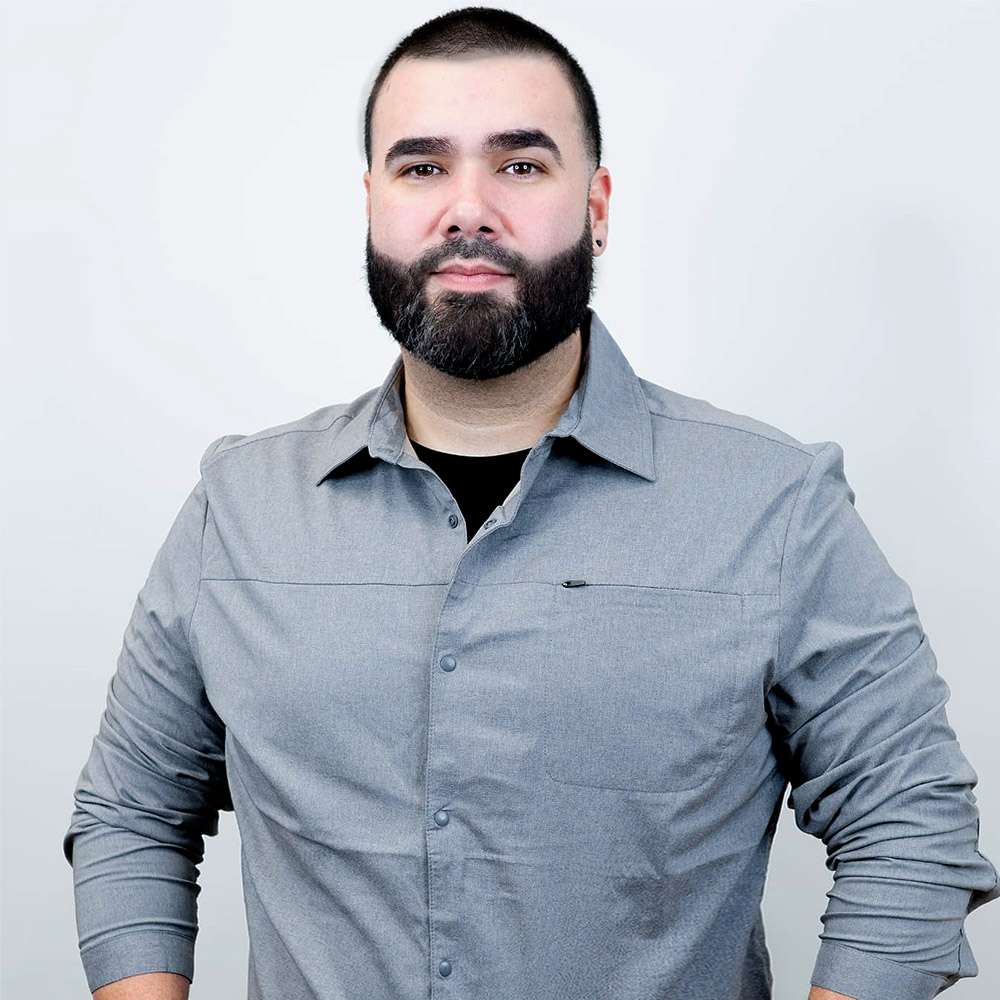
For more advanced thinning or a receding hairline, a buzz cut can be easier to maintain and visually consistent. The shorter the overall cut, the less obvious the difference between fuller and thinner areas may become. The guard length should be chosen around your remaining density, scalp tone and the contrast between your hair and skin.
A taper can be added to any of these styles. I usually prefer a controlled taper rather than leaving the sides full, especially when the crown or top is becoming more visible.
| Haircut | What it does |
|---|---|
| Short crop | Top slightly longer than the sides, with texture through the front. Gives fine hair direction without a heavy, separated fringe. |
| Crew cut | Graduated length gives a clean shape and keeps enough hair on top for definition. |
| Buzz cut | Easier to maintain and visually consistent for more advanced thinning or a receding hairline. |
| Taper | Can be added to any of these styles to keep the sides controlled rather than full. |
Should you keep thinning hair long or short?
Short is not automatically better, but excessive length rarely solves thinning. Longer hair can fall across a sparse area temporarily, yet movement, wind and natural separation may reveal the scalp. It can also create a noticeable difference between a covered section and the surrounding hair.
If your hair is still reasonably dense, a medium-length textured style may suit you. The key is to keep the shape deliberate, with weight placed where your hair is strongest. I would not recommend a heavy, rigid comb-over that depends on one direction of styling to stay in place.
For a receding hairline, allowing the front to become shorter and softer can look more natural than forcing hair forward. A textured crop with a modest fringe may soften the outline, while a very short cut can make the recession look like part of the overall style.
People with gray or lighter hair may find that a short cut reduces the visual difference between hair and scalp. Dark hair against a lighter scalp can show contrast more clearly, so neat grooming and a consistent length become especially useful.
What should you ask your barber for?
Bring a recent photograph of yourself and explain which areas concern you. Rather than asking for a generic “thinning hair style”, describe whether you want to keep some length, reduce daily styling or make the hairline less prominent.
Useful points to discuss include:
- Whether the top should be scissor-cut or clipper-cut.
- How much weight should remain around the crown.
- Whether a textured finish will help or make the scalp more visible.
- How short the sides should be in relation to the top.
- How often you are prepared to return for maintenance.
As a barber of 15 years, I pay close attention to the hairline. A natural-looking shape is usually better than an aggressively straight edge that does not fit your age, facial structure or existing pattern.
What if a haircut no longer gives enough coverage?
Haircuts can improve proportion and grooming, but they cannot restore lost hair or change the rate of hair loss. If the scalp remains very visible despite a suitable cut, some men explore scalp micropigmentation, also known as a hair tattoo. It places tiny pigment impressions in the scalp to reduce the contrast between scalp and hair. It does not grow hair or damage existing follicles.
For men who prefer to keep some hair, Hair Density SMP can be considered between existing hairs. The most suitable option depends on your remaining hair, color contrast, thinning pattern and the look you want to maintain. A shaved finish may suit more advanced loss.
SMP is not permanent in the sense of staying unchanged. Pigment gradually fades and may need future touch-ups. It is also important to choose an experienced practitioner, review healed work and discuss the hairline before treatment. At Infinity Scalp in Totowa, New Jersey, I assess these details during consultation rather than choosing a style from a template.
If you are unsure whether your current haircut is making thinning more noticeable, you can contact Infinity Scalp to arrange a consultation. I will listen to what you want to keep, what you want to change and how much maintenance feels realistic.